Millionaires, Billionaires, and the Wealth Ladder Explained
A practical guide to the difference between millionaire, billionaire, and possible trillionaire wealth without confusing net worth with cash.
Topic hub for billionaires.
A practical guide to the difference between millionaire, billionaire, and possible trillionaire wealth without confusing net worth with cash.
A clear explanation of why billionaire lists move with stock prices, private valuations, currency changes, debt, and disclosed ownership stakes.
Elon Musk is often ranked among the world's wealthiest because much of his reported wealth is tied to companies and market valuations.
Bernard Arnault is reported among the world's wealthiest through luxury brand ownership, but luxury markets still move with consumers and cycles.
Bill Gates remains a key figure in technology and philanthropy, with wealth narratives shaped by Microsoft, diversification, and giving.
Jensen Huang and Nvidia show how AI infrastructure can reshape markets, while valuations still depend on earnings, competition, and expectations.
Larry Page and Sergey Brin are often ranked among leading technology billionaires because Alphabet created durable search and advertising economics.
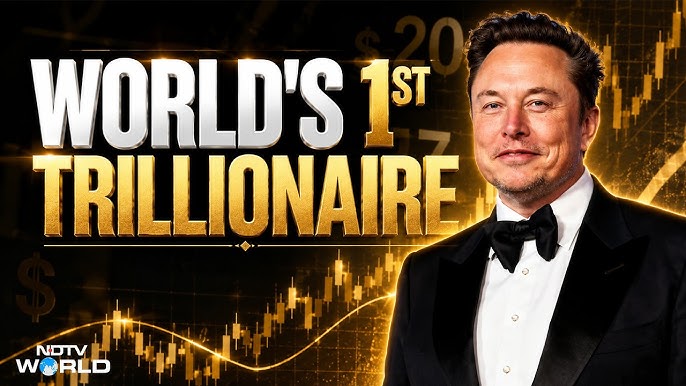
Elon Musk is currently the only person on the world trillionaire list. Driven primarily by the public offering of SpaceX and his ongoing ventures like Tesla, his net worth has surpassed $1 trillion to reach approximately $1.1 trillion, making him the first individual to reach this milestone.
Jeff Bezos is often ranked among top global billionaires because Amazon became a platform business with retail, cloud, logistics, and advertising engines.
Warren Buffett's legacy is often simplified. This article looks at patience, business quality, incentives, and the limits of copying any investor.
Mark Zuckerberg's reported net worth can shift sharply because it is tied to Meta's public-market valuation and investor expectations.
Larry Ellison's wealth story highlights enterprise software, databases, cloud competition, and long-term founder ownership.
Comparing millions, billions, and trillions helps readers understand scale, opportunity, inequality, business ownership, and policy debates.